Magnetic whiteboards have become a staple in modern workspaces and educational environments. Their ability to provide a flexible, reusable surface for writing, drawing, and brainstorming represents a significant advancement in collaborative tools. Unlike traditional chalkboards or paper, magnetic whiteboards allow users to easily attach notes, documents, and visuals, significantly enhancing productivity and organization. In fact, research shows that incorporating visual aids can increase information retention by up to 65%. As remote work rises, the demand for effective communication tools like magnetic whiteboards grows, solving pain points in collaboration and learning dynamics. But what exactly makes these boards so durable and long-lasting?

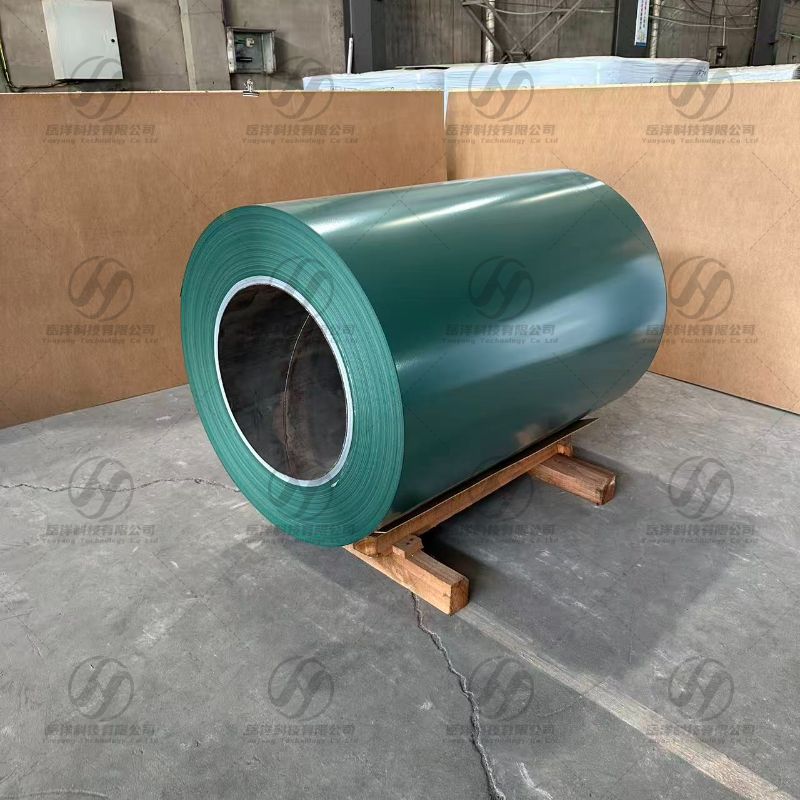
Magnetic whiteboards are writing surfaces that combine a smooth, erasable coating, typically made of melamine, porcelain, or glass, with a magnetic backing. This unique design allows users to attach magnets easily, making it possible to hang important documents and visuals directly on the board. Key industry terms related to magnetic whiteboards include:
Combining these materials creates a product that is not only effective but also long-lasting, capable of withstanding daily use without losing functionality.
Magnetic whiteboards are versatile tools used across various sectors, including:
According to a report from Statista, educational institutions and corporate environments account for an estimated 70% of magnetic whiteboard usage, indicating their widespread need in versatile communication contexts.
The advantages of magnetic whiteboards are numerous:
Durability: High-quality materials like porcelain and tempered glass offer resistance to stains and scratches, ensuring a long lifespan. In fact, porcelain boards can last over 20 years based on regular usage assessments, significantly reducing replacement costs.
Versatility: The ability to use magnets allows for easy attachment of visuals and notes, making it simple to adapt to changing information needs.
Enhancing Collaboration: Studies have shown that teams using collaborative tools see a 38% increase in output. Magnetic whiteboards facilitate this by providing a shared space for ideas to be exchanged dynamically.
Space Saving: They serve dual functions—both as a traditional writing surface and as a display area, optimizing the use of physical space.
Overall, the emergence of magnetic whiteboards coincides with the growing need for efficient communication and collaboration in today's fast-paced environments.
To effectively integrate magnetic whiteboards into your workspace, start by looking for guides or user manuals specific to your brand, such as those from Yueyang. Understanding how to properly maintain and utilize your whiteboard can significantly extend its lifespan and functionality.
Q1: How do I clean my magnetic whiteboard? A1: Use a whiteboard cleaner and a soft cloth to remove markers and stains. For stubborn marks, rubbing alcohol can be effective.
Q2: Can I use any magnets on my magnetic whiteboard? A2: While most standard magnets will work, it's advisable to use high-quality magnetic clips designed for whiteboards to prevent damage.
Q3: What should I do if my whiteboard gets scratched? A3: Light scratches generally won't affect functionality, but if the surface is severely damaged, consider replacing the board or consulting a professional for repair options.
Q4: Are magnetic whiteboards eco-friendly? A4: Many manufacturers, including Yueyang, offer eco-friendly options made from sustainable materials and low-VOC coatings.
In conclusion, magnetic whiteboards are invaluable tools that enhance collaboration, maintain organization, and adapt to various environments. If you're looking to find the right one for your needs, don't hesitate to explore options from reputable brands like Yueyang.