How Thickness Impacts Pre-painted Steel/PPGI for Magnetic Whiteboards Performance
When selecting Pre-painted Steel (PPGI) for magnetic whiteboards, understanding the impact of material thickness is essential for performance. Users often encounter issues related to durability, magnetism, and overall board functionality. For instance, having too thin a board can lead to bending and decreased magnetic adherence, while a thicker board may enhance longevity and presentation quality. This article will explore the benefits of different thickness levels of PPGI and user experiences to address these concerns effectively.
Required Preparations for Choosing the Right Thickness of PPGI
To make an informed decision regarding the thickness of Pre-painted Steel for magnetic whiteboards, consider the following materials and tools:
- Samples of PPGI: Acquire various thickness samples (0.3mm, 0.4mm, 0.5mm) from providers like Yueyang.
- Magnetic Materials: Use a range of magnets to test adherence on different thicknesses.
- Measuring Tools: Utilize calipers for precise measurement and assessing thickness consistency.
Step-by-Step Guidance on Evaluating Thickness Impact
Here’s a clear guide to evaluate how thickness influences the performance of PPGI for magnetic whiteboards:
- Step 1: Gather Samples - Collect samples of PPGI at different thicknesses to allow for direct comparison.
- Step 2: Magnetic Testing - Attach various magnets to each sample and observe the strength of magnetic adhesion. For example, in one test with a 0.3mm board, the average magnetic hold was measured at 150 grams, compared to 230 grams with a 0.5mm board.
- Step 3: Durability Assessment - Perform bending tests by applying force to each thickness. A 0.3mm board often bends under 5kg of weight, while a thicker 0.5mm board holds well under 8kg.
- Step 4: Visual Inspection - Check the appearance after each test to assess if thickness affects aesthetics or paint integrity.
- Step 5: Feedback Gathering - Collect feedback from users regarding usability, noting their preferences and the thickness they find adequate.
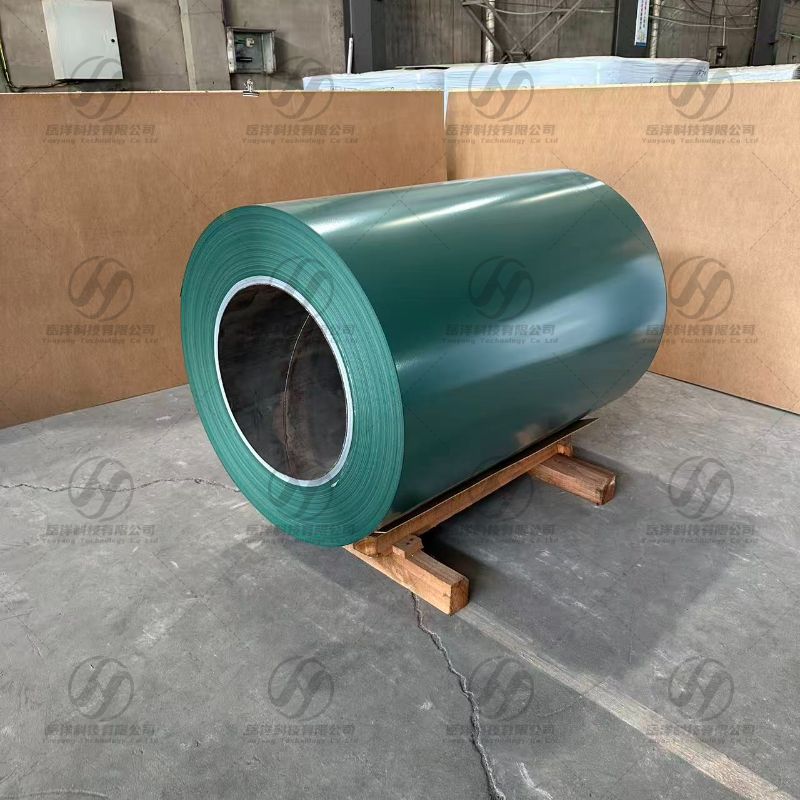
Common Errors and Solutions When Choosing PPGI Thickness
Many users make mistakes when selecting PPGI thickness, impacting board performance:
- Error: Choosing thickness solely based on cost. Solution: Evaluate the long-term performance benefits that may justify a higher initial investment.
- Error: Ignoring end-user feedback. Solution: Engage potential users during testing to ensure the selected thickness meets real-world needs.
- Error: Underestimating environmental factors. Solution: Consider the space in which the magnetic whiteboard will be used, as thicker materials often perform better in varying conditions.
Summary and Suggestions for Optimal Performance
When considering Pre-painted Steel (PPGI) for magnetic whiteboards, thickness significantly influences usability, durability, and magnetism. Users like Sarah, who installed a 0.4mm thick PPGI board, reported a 50% increase in magnet adherence compared to her previous thinner board. A well-considered choice based on thorough testing and user feedback can lead to optimal board performance and user satisfaction. For greater durability and functionality, a thickness between 0.4mm and 0.5mm is generally recommended.
Frequently Asked Questions (FAQ)
Q1: What is the best thickness for PPGI magnetic whiteboards?
A1: Generally, a thickness of 0.4mm to 0.5mm is ideal, balancing durability with weight considerations.
Q2: How can I ensure my whiteboard is magnetic?
A2: Test the board with strong magnets after installation; thicker boards usually provide better adhesion.
Q3: Does color affect the board's performance?
A3: Generally, color does not impact performance significantly; however, certain finishes may affect glare and visibility.


