
Glass Whiteboard vs Coated Steel: An Honest Comparison From the Steel Side
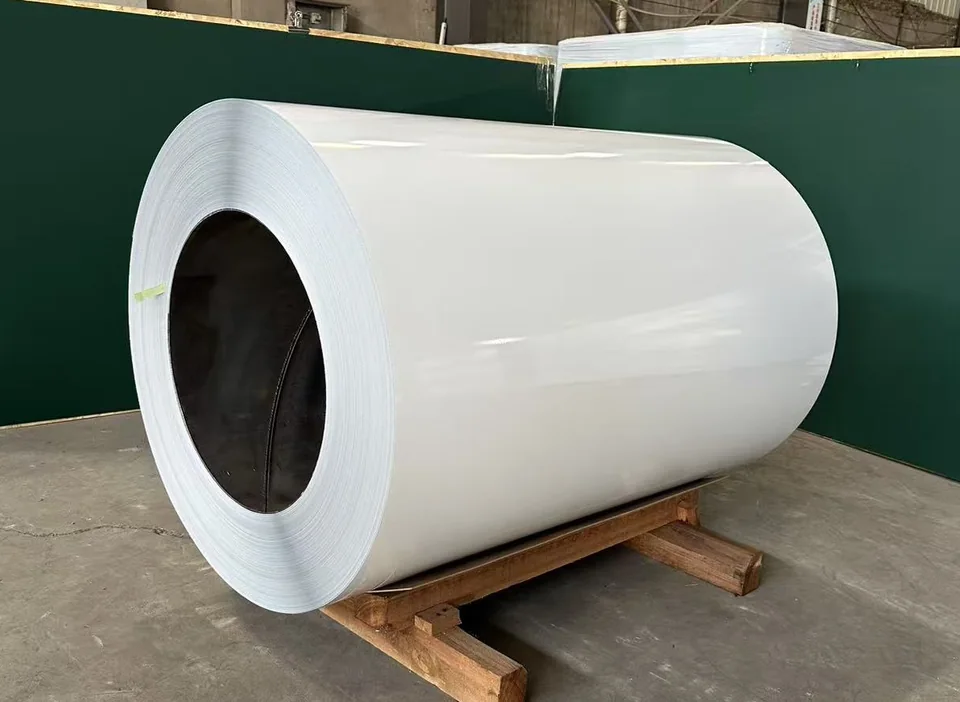
Two products get quoted for the same wall: a tempered glass whiteboard and a coated steel whiteboard. They look similar in a photo and behave nothing alike in use, in freight, and in year five.
We make the steel side, so read the glass half as a buyer's summary — and push back on your glass supplier if their version differs. What follows is the comparison we would want if we were the one signing the purchase order.
The one-line difference
Glass is a solid, non-porous slab. Steel is a thin coated sheet on a frame. Everything else — weight, magnetism, cost, repairability, shipping risk — falls out of that single fact.
Side by side
| Tempered glass (4–6 mm) | Coated steel (0.25–0.40 mm) | |
|---|---|---|
| Weight per m² | 10–15 kg | ~2.0–3.2 kg |
| Magnetic | No, unless bonded to a steel backer | Yes, by nature |
| Writing feel | Hard, glassy, very low friction | Smooth with slight give |
| Erase life | Effectively unlimited — no coating to wear | Excellent, but the coating can be abraded |
| Cut to size on site | No — factory cut only | Yes, shears and guillotine |
| Impact behaviour | Chips and shatters; edge chip is permanent | Dents; still writes, still erases |
| Scratch repair | Not repairable | Panel can be re-skinned or replaced |
| Wall loading | Needs solid backing and heavy anchors | Frame carries the load |
| Max practical size | Limited by glass size and lifting gear | Limited by transport, not material |
| Relative material cost | 4–8× | 1× |
Where glass genuinely wins
Let us not pretend otherwise. Glass beats steel in three situations:
- Design-led interiors. Where the board is furniture, not equipment: seamless, no frame line, backlit options, colour behind the glass.
- Clinical and food environments. A non-porous glass surface tolerates repeated disinfectant wiping that would eventually dull a coated panel.
- Very heavy daily writing over a long horizon. With no coating layer to wear, glass does not care how many marker kilometres it takes.
If those describe your project, buy glass. Paying for the right product once is cheaper than replacing a wrong one.
Where steel wins, and why it wins more often
- Weight and wall structure. 4 mm glass is roughly 10 kg per square metre. A 1200 × 2400 panel is about 29 kg hanging off your wall. Coated steel at 0.30 mm is roughly 7 kg for the same panel. That difference decides whether you need a masonry wall or can use a stud partition.
- Magnetism. Steel is the reason the board holds magnets, printed material and clip-on trays without extra hardware. Glass needs a steel backer to do this — which adds weight and cost, and quietly turns a "glass whiteboard" into a steel product with a glass face.
- Freight and breakage. Glass ships in crates, cannot be nested, and a single impact ends the panel. Coated steel ships on pallets, stacks, and survives handling that would destroy glass. On a sea container that is the difference between a claim and a delivery. It is also why we ship coils and cut sheets rather than finished panels — the damage risk stays with the material, not the product.
- Cost per square metre of usable board. Steel is the cheaper way to cover a large wall, which is why classrooms, training rooms and site offices almost never use glass.
- Any size, any shape. Cut to your cutting list within our 600–1250 mm coil width, or as sheets to your exact dimensions.
The honest part about steel's weaknesses
- Dents. A steel panel hit hard enough will dent, and a dent is visible in raking light. It still works, but it is not new any more.
- Coating quality is everything. Two mills can both sell "whiteboard steel" and behave completely differently after two years of use. The variables are pretreatment, primer, topcoat chemistry and cure — not the colour. This is the single most common reason buyers switch suppliers, and the reason we publish test data rather than adjectives.
- Edge treatment matters. Unframed steel needs a folded or trimmed edge, or a frame. Done badly, it is a cut hazard and a rust start point.
How to decide in two questions
- Does anything need to stick to it? If yes, steel. Glass only matches this with a steel backer, at which point you are paying glass prices for a steel function.
- Is the wall structure or the freight budget the constraint? If either is tight, steel.
If the answer to both is no, and the board is a design feature in a client-facing room, buy glass — honestly.
What we supply
Double-coated whiteboard steel at 0.22 / 0.25 / 0.30 / 0.40 mm, gloss or matte, white or custom RAL, coil or cut to size, MOQ 2 tons and mixable across thickness, width and colour. Free A4 samples so you can test erase performance with your own markers before you commit, and full test reports behind the coating claims. See the whiteboard surface page, or send us your wall dimensions and we will tell you which product actually fits.
*— Yueyang Technology, Bazhou, Hebei. Write to us — David Hu, General Manager.*